
Reference Object
White Star Line Note Card (Line-Generic Stationery)
Primary Visual Evidence
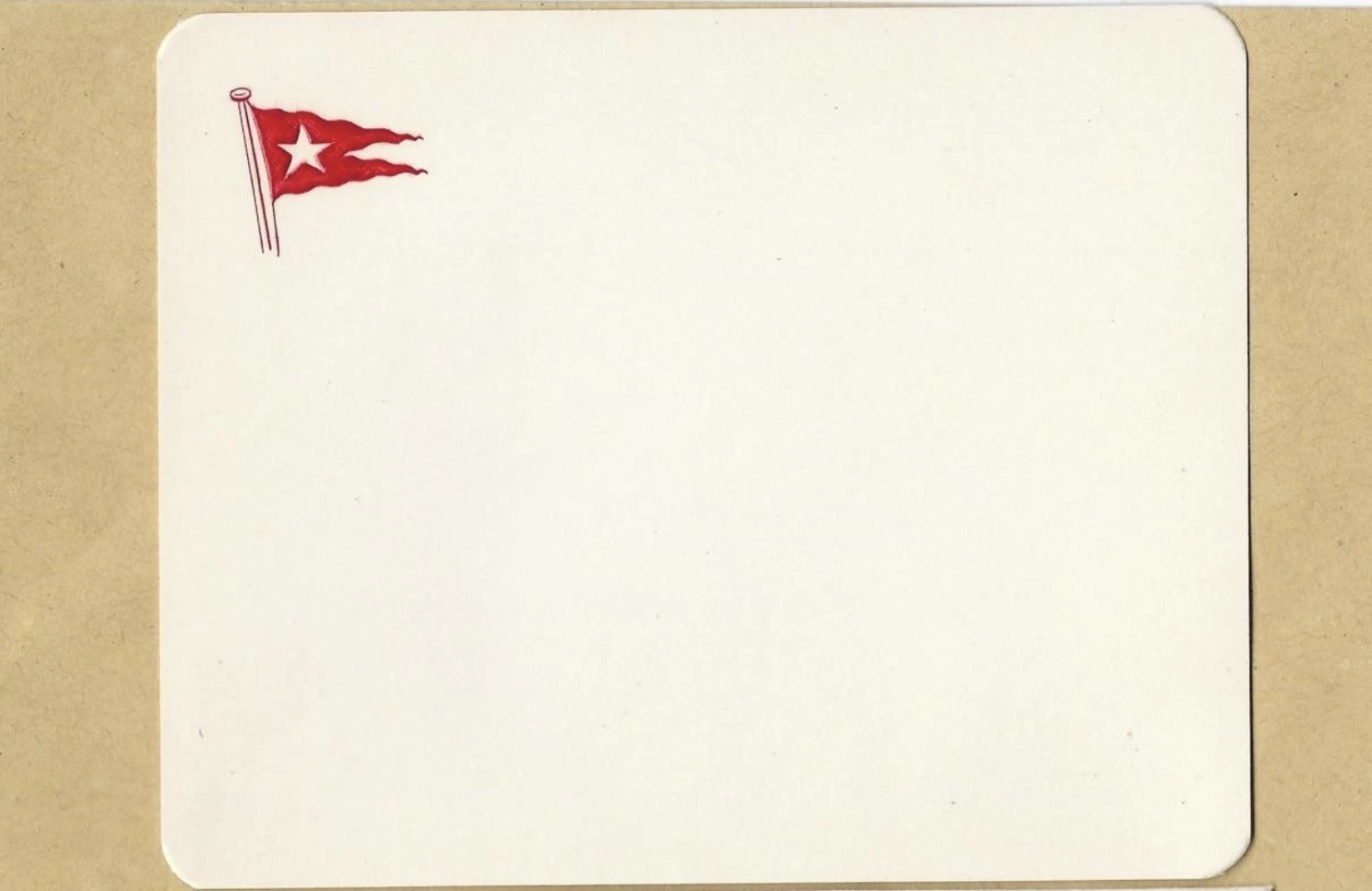
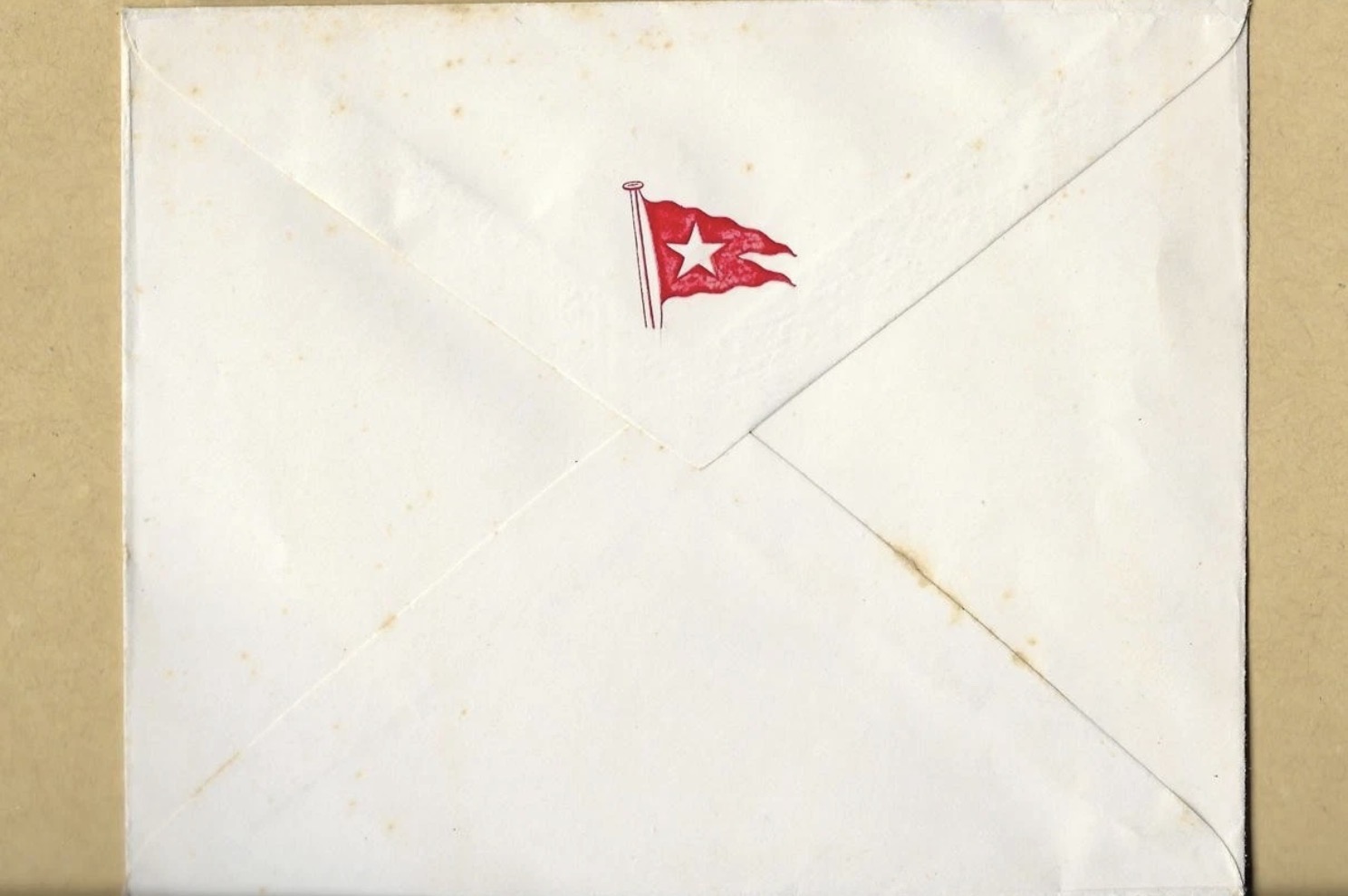
Attribution Assessment
Company-level attribution to White Star Line is supported by the printed house flag motif consistent with known White Star Line stationery design language of the early 20th century. The object is visually consistent with period note cards used aboard ship or in company contexts. However, the card itself provides no internal evidence for a specific vessel, such as SS Olympic, a specific date, such as August 1922, a specific voyage, or a specific passenger. Those elements remain unverified unless corroborated by accompanying primary materials such as a postmarked envelope, original letter, ticket or documentation, or archival record.
Historical Context
White Star Line issued branded stationery across multiple contexts, including shipboard use and company correspondence. Minimal note cards featuring the house flag are consistent with the restrained house-style approach common to major transatlantic lines in the early 20th century.
Because the printed design is line-generic, identical or near-identical cards could plausibly appear across different White Star vessels and across a range of years. When ship names, voyages, and passenger identities are absent from the object, attribution must remain at the corporate level unless strengthened by accompanying primary documentation.
Limits of Evidence
- The card is blank and contains no internal evidence for date, voyage, ship name, or passenger identity.
- The printed design appears line-generic company stationery rather than vessel-specific stationery.
- No envelope, postmark, letter, ticket, or archival documentation is presently available to corroborate the seller’s narrative.
- Cabin-level details, such as “Second Class F-21,” are not verifiable from the object and require external primary sources to support.
Object Record
Reference Notes
- Seller claim vs. object: The object supports White Star Line branding only; ship, date, and passenger claims require independent corroboration.
- Best corroborators: Postmarked envelope, addressed enclosure, contemporaneous letter, or primary documentation linking this stationery to SS Olympic and August 1922.
- Cataloging guidance: File as “White Star Line stationery—line-generic” unless or until supporting materials substantiate a narrower attribution.