Survival Is Selective
What remains from Titanic is filtered by material durability, environment, and recovery history. The surviving record is therefore structured by loss as much as by preservation.
A curator-minded path through Titanic’s surviving material record: not simply what objects remain, but why certain materials endure, why other categories vanish, and how survival itself shapes what can be claimed with confidence.
Part of the Titanic topic collection
Research Collections group ship guides and interpretive themes into curator-framed pathways that emphasize shared structures, historical patterns, and larger meanings. This collection approaches Titanic through material survival: not through the total ship as once experienced, but through the uneven residue that remains after disaster, immersion, corrosion, recovery, dispersal, and later interpretation.
Read this way, a Titanic artifact is never only an object. It is also the result of survival bias. Ceramics, glass, coal, and some metals persist differently than textiles, paper, leather, decorative finishes, and many layered materials. The surviving record therefore does not present a neutral cross-section of life aboard the ship. It emphasizes certain categories while thinning or erasing others. That unevenness becomes clearer when set beside the ship’s better-known interiors in Titanic’s Most Famous Public Rooms.
That matters because the afterlife of objects shapes public memory. Dining wares may seem unusually abundant because they survive well. Detached fittings may circulate more widely than their original context can support. A plausible period object may acquire a stronger identity in retelling than surviving documentation truly allows. Taken together, these patterns make Titanic artifacts valuable not only as remnants, but as evidence that must be read with restraint. That is also why pages dealing with Titanic myths and later interpretations of Titanic matter so much.
What remains from Titanic is filtered by material durability, environment, and recovery history. The surviving record is therefore structured by loss as much as by preservation.
A fitting, plate, bottle, or fragment may remain materially real while the certainty of its identification weakens. Context often disappears faster than the object itself.
The artifacts that survive most readily often become the artifacts most displayed, collected, and remembered, shaping how the ship is imagined long after the event.
Tablewares, bottles, and related service objects often survive more legibly than many other categories. Their abundance in the surviving record can distort how shipboard life is later visualized.
Metal objects may endure in fragmentary or heavily altered form. Survival here often means persistence of outline or function, not preservation of finish, surface, or full original context.
Textiles, paper, leather, veneers, and many decorative surfaces are among the least stable categories over time. Their disappearance strips away much of the atmosphere that once defined interiors.
Objects can survive while their relationship to room, deck, ownership, or use grows obscure. This is where the difference between “period object” and “secure Titanic artifact” becomes especially important.
Recovery records, custody history, maker’s marks, exhibition histories, and documented comparatives strengthen claims. Without them, attribution should remain proportionate and careful.
The market and museum life of artifacts is shaped by what survives, what photographs well, and what tells a compelling story. That afterlife can clarify evidence—or encourage overstatement.
From the moment of sinking, the future artifact record is shaped by separation, damage, immersion, and the differing resilience of materials. Not every category enters the future on equal terms.
For decades, interpretation relied more heavily on testimony, photographs, plans, company records, and cultural retelling than on direct access to the wreck environment itself. Artifact discourse remained comparatively limited.
Once the wreck was located, the surviving material record became newly visible in a direct way. Even so, discovery did not eliminate uncertainty; it created new questions about condition, separation, recovery, and interpretation. It also helped correct older beliefs, including some discussed in Titanic Myths That Persist.
Ceramics, bottles, fittings, coal, and other recovered materials helped define the popular image of “Titanic artifacts.” But that image was always shaped by what survived best and what could be documented most clearly.
As artifacts circulated in exhibitions, publications, and collecting culture, questions of recovery context, custody, authenticity, and attribution became increasingly important. The object alone was rarely enough.
The strongest current interpretations pay closer attention to survival bias: what categories dominate the record, what categories are underrepresented, and how environmental loss shapes the historical picture.
Titanic artifacts continue to matter because they reduce distance between event and object. Their real interpretive value, however, lies in reading them proportionately: as evidence with limits, not as automatic closure. For the disaster sequence these objects are ultimately tied back to, see the Southampton-to-rescue timeline.
The most important question to ask of a Titanic artifact is not simply whether it survives, but what its survival permits us to say. Material presence is meaningful; it is not automatically complete.
Follow the event sequence that gives surviving objects their historical context, from departure through collision, evacuation, and rescue.
Useful for separating what artifacts can support from the cleaner symbolic stories that later memory often prefers.
Helpful for seeing how visual memory and storytelling can strengthen some images of Titanic even when the surviving record is more uneven.
Use the ship guide as the structural anchor for the vessel itself: design, route, service context, and the broader interpretive frame into which surviving objects must fit.
Useful for situating Titanic within the operational logic of liner service rather than treating the ship only as a disaster object.
Extends the conversation toward shipboard environments and working spaces that often survive less completely in the artifact record.
Helpful for connecting this collection to museums, archives, and other documentary resources where provenance and comparison can be checked more carefully.
Start from a central overview of timelines, questions, and research paths across Titanic content.
Follow the disaster step by step from departure through rescue.
See how interiors, atmosphere, and loss shape what later survives in memory and material form.
Read how testimony, authority, and survival shaped the evidentiary record after the sinking.
Read Titanic as the central ship in this collection: the vessel whose surviving objects must be understood within broader design, service, and historical context.
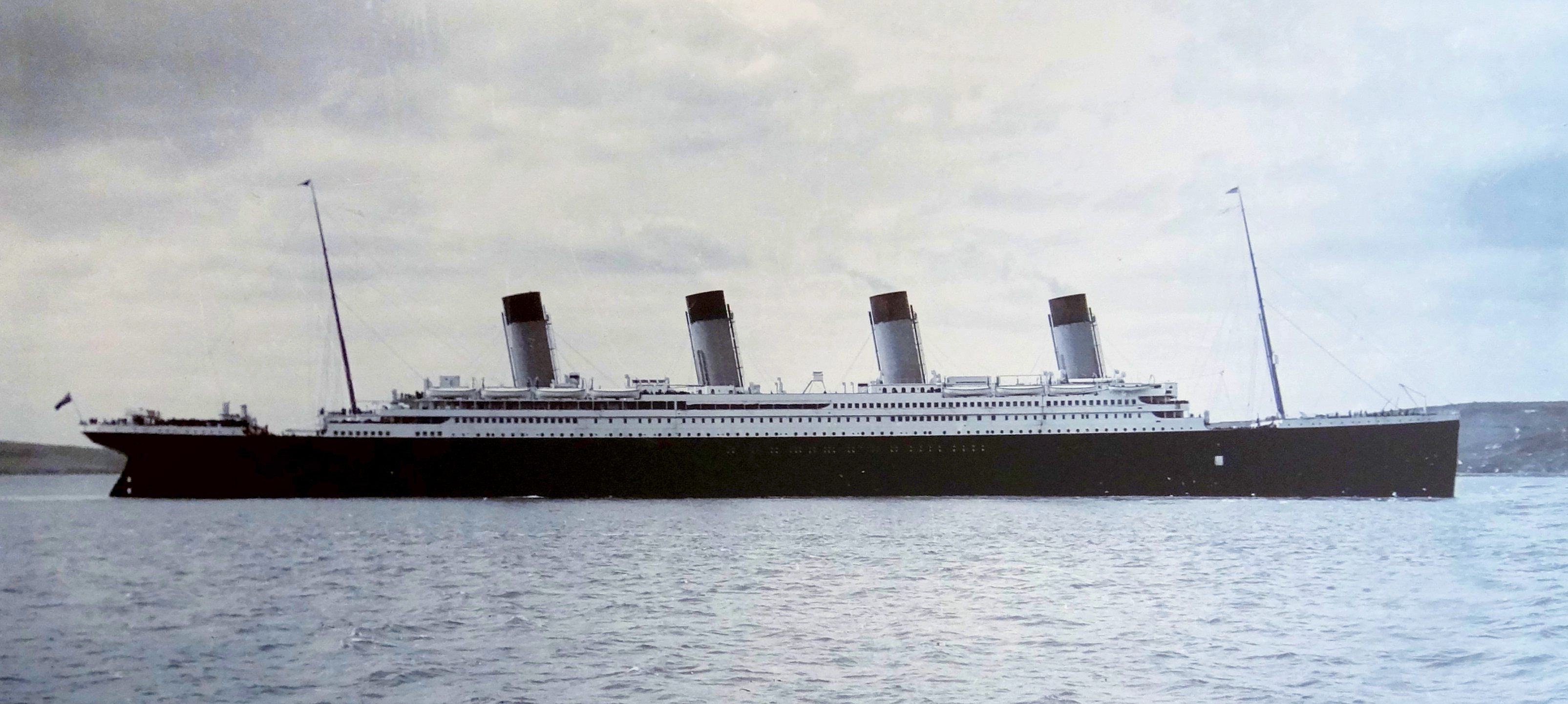
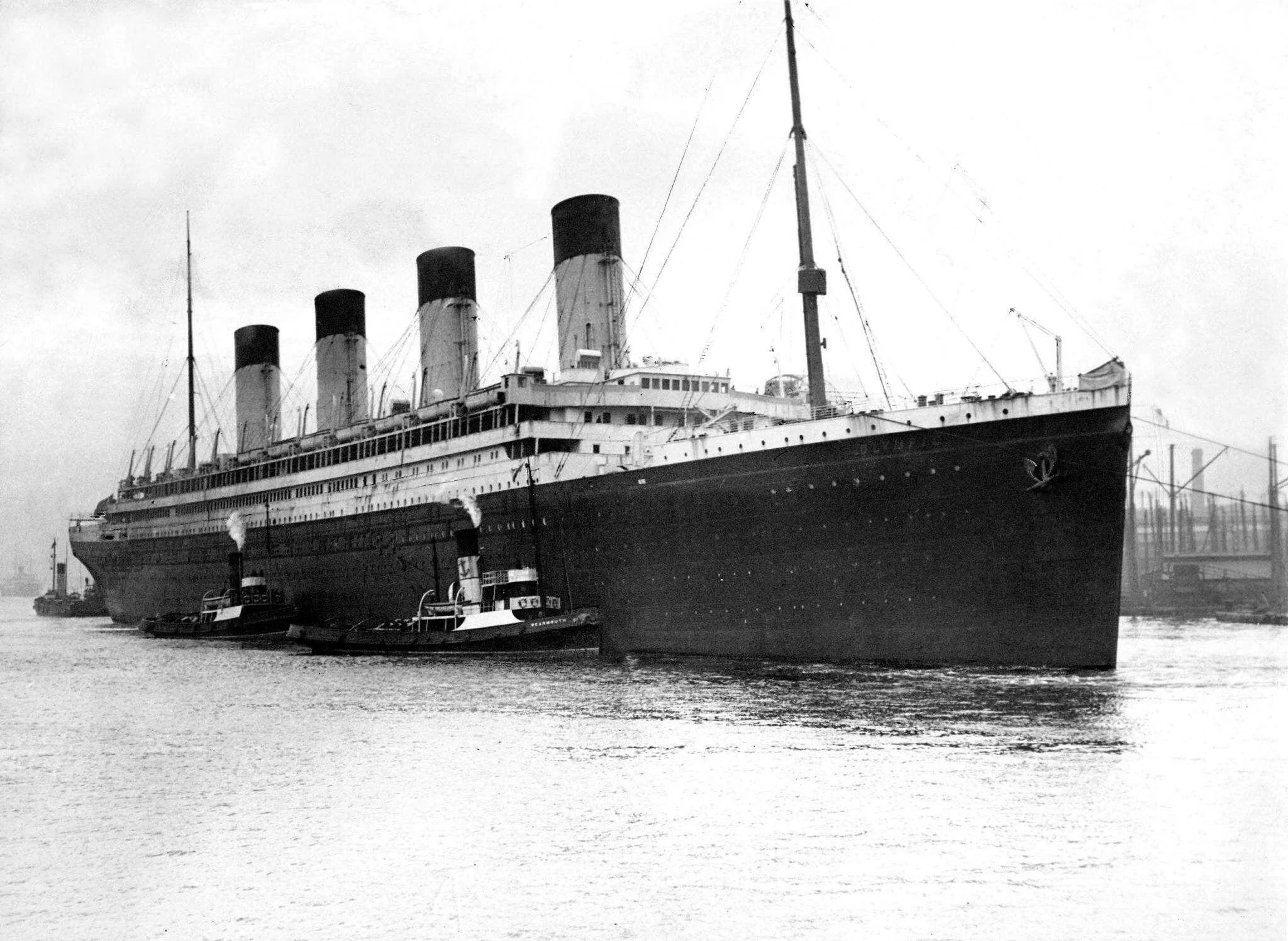
Open ship guideComparison with Olympic helps distinguish truly ship-specific claims from broader Olympic-class or White Star material patterns.
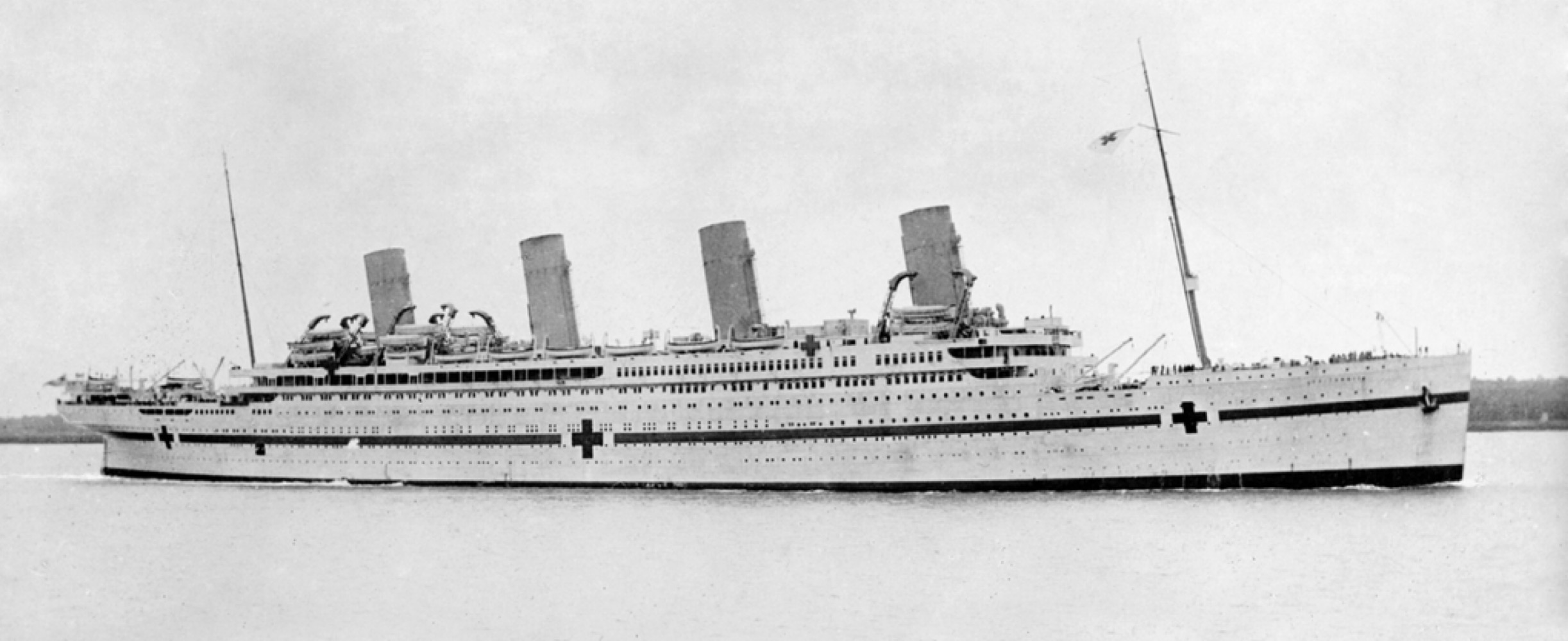
Open ship guideBritannic broadens the class comparison and helps frame how material identification can shift between ship-specific and class-level evidence.
Open ship guide