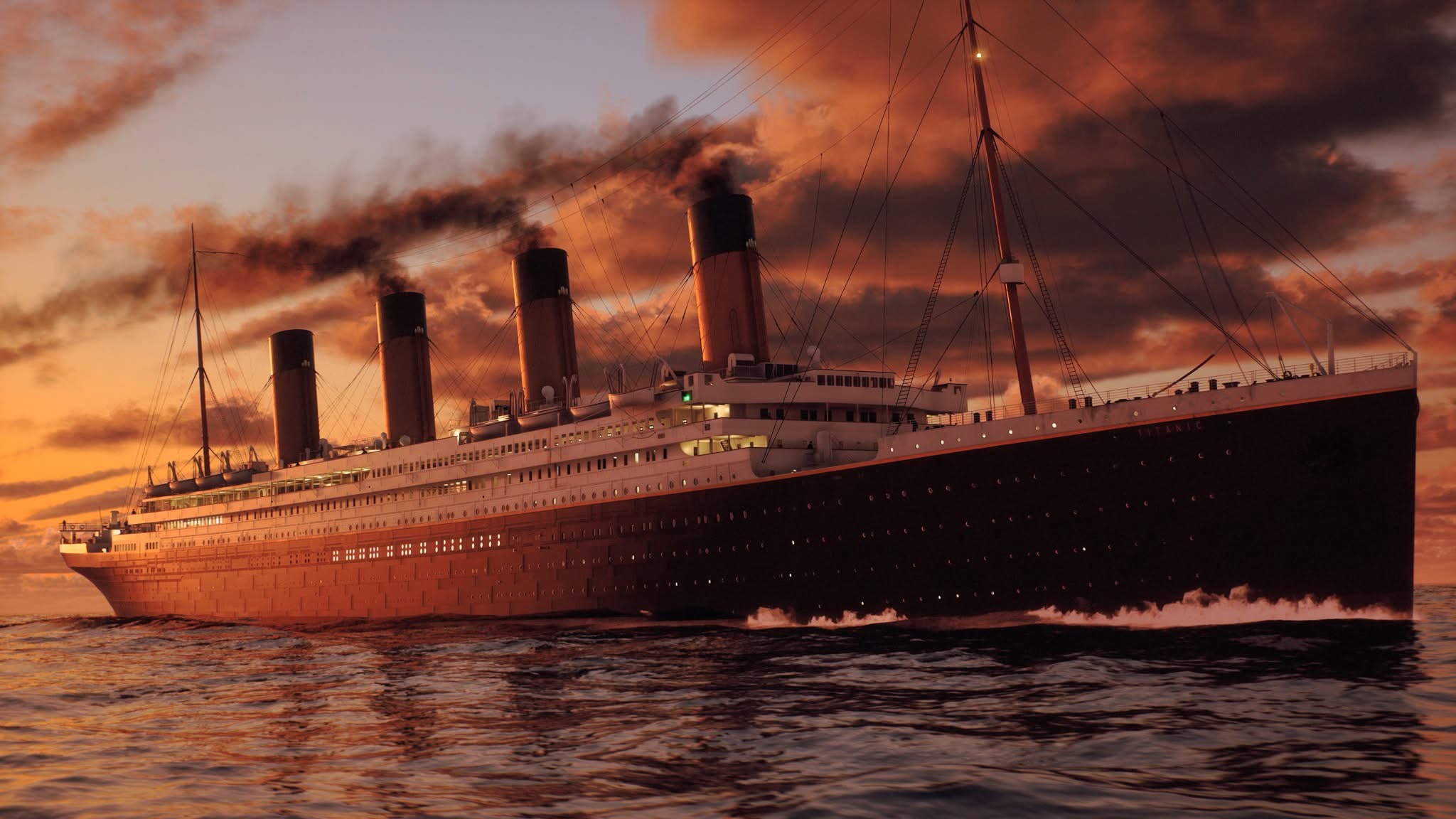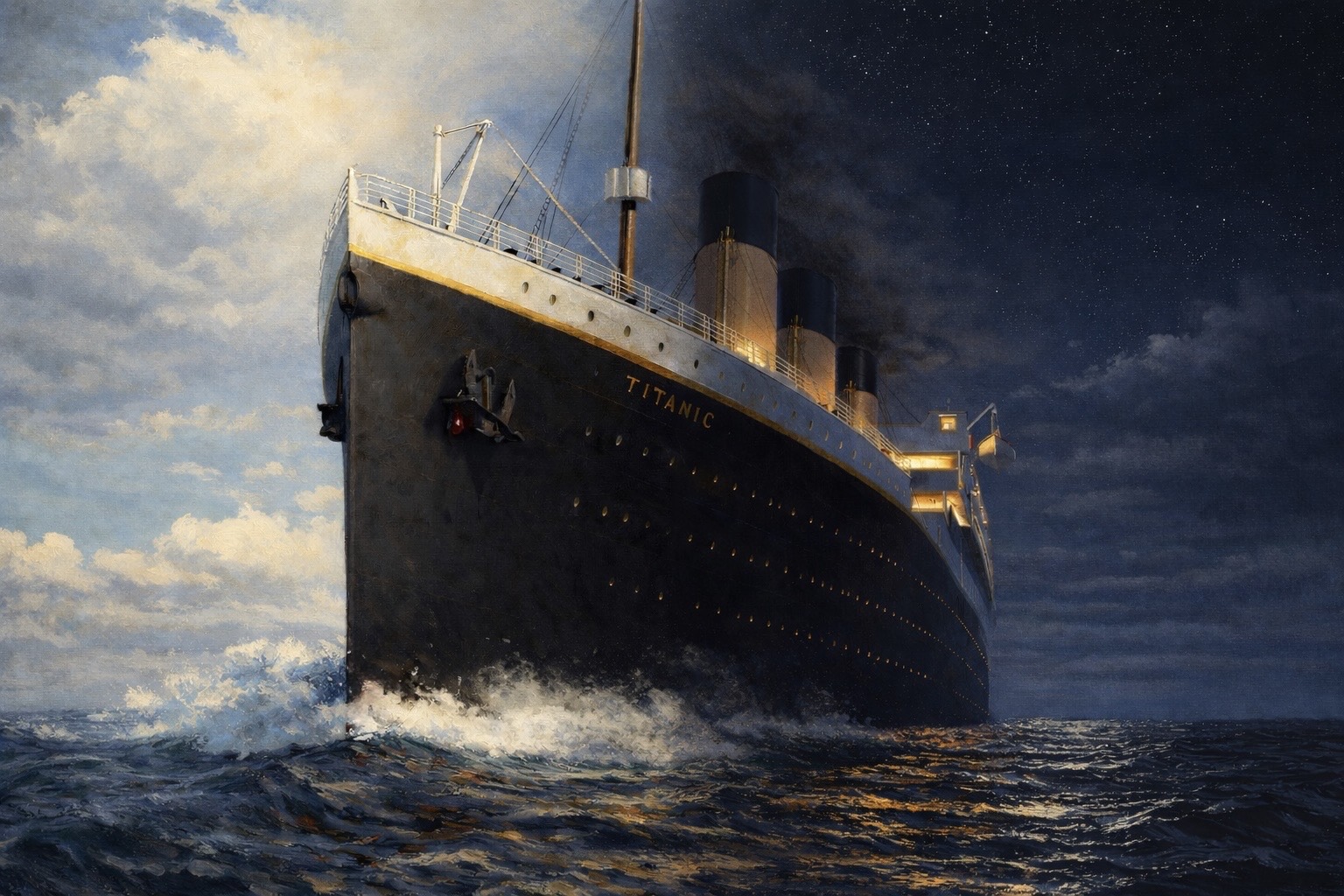
Timeline
Departure to Rescue
Follow the story from Southampton departure through the collision, final hours, lifeboat launches, and the Carpathia rescue sequence.
Open timelineA focused starting point for Titanic on Ocean Liner Curator: follow the voyage from departure to rescue, explore the artifacts research collection, and read short answers that clarify some of the most common Titanic-related misunderstandings.
Built to keep chronology, material culture, and company context connected—so Titanic can be approached as more than a single isolated disaster narrative.
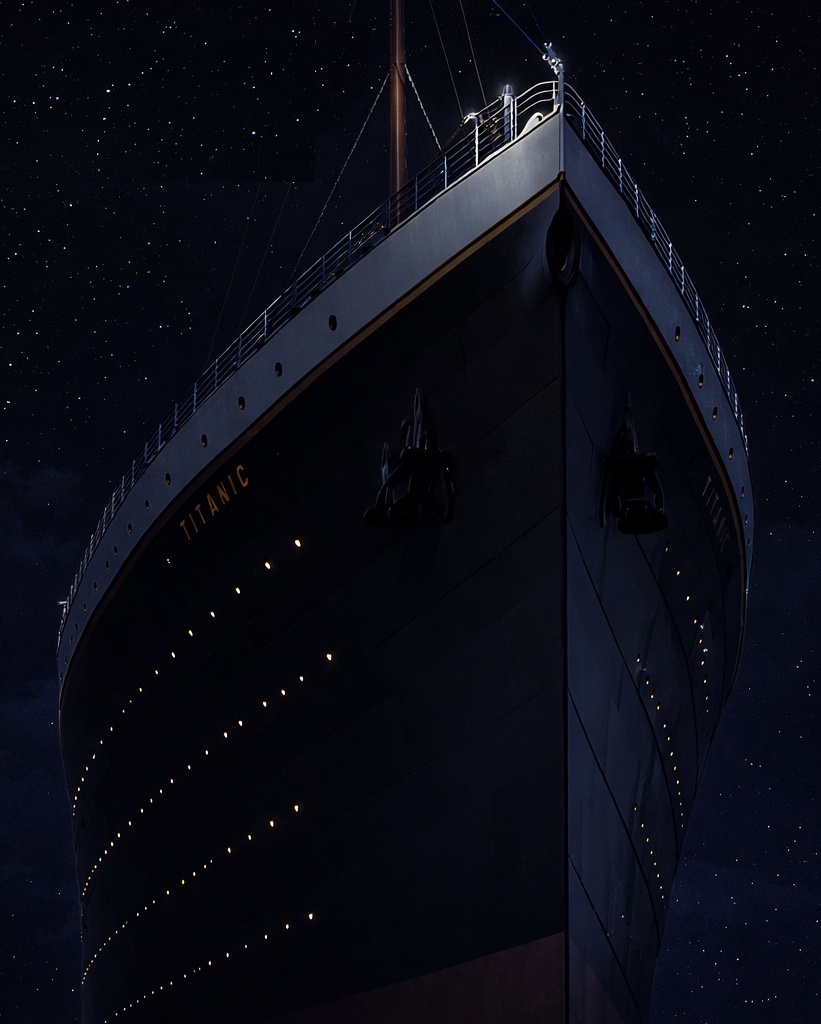
Start with the event itself, move into the surviving objects, and then into the interpretive questions that shape public memory.
These are the clearest ways into Titanic on the site: the chronology of the voyage, Titanic movie, and the famous public rooms aboard the ship. More topics then follow.
Follow the story from Southampton departure through the collision, final hours, lifeboat launches, and the Carpathia rescue sequence.
Open timeline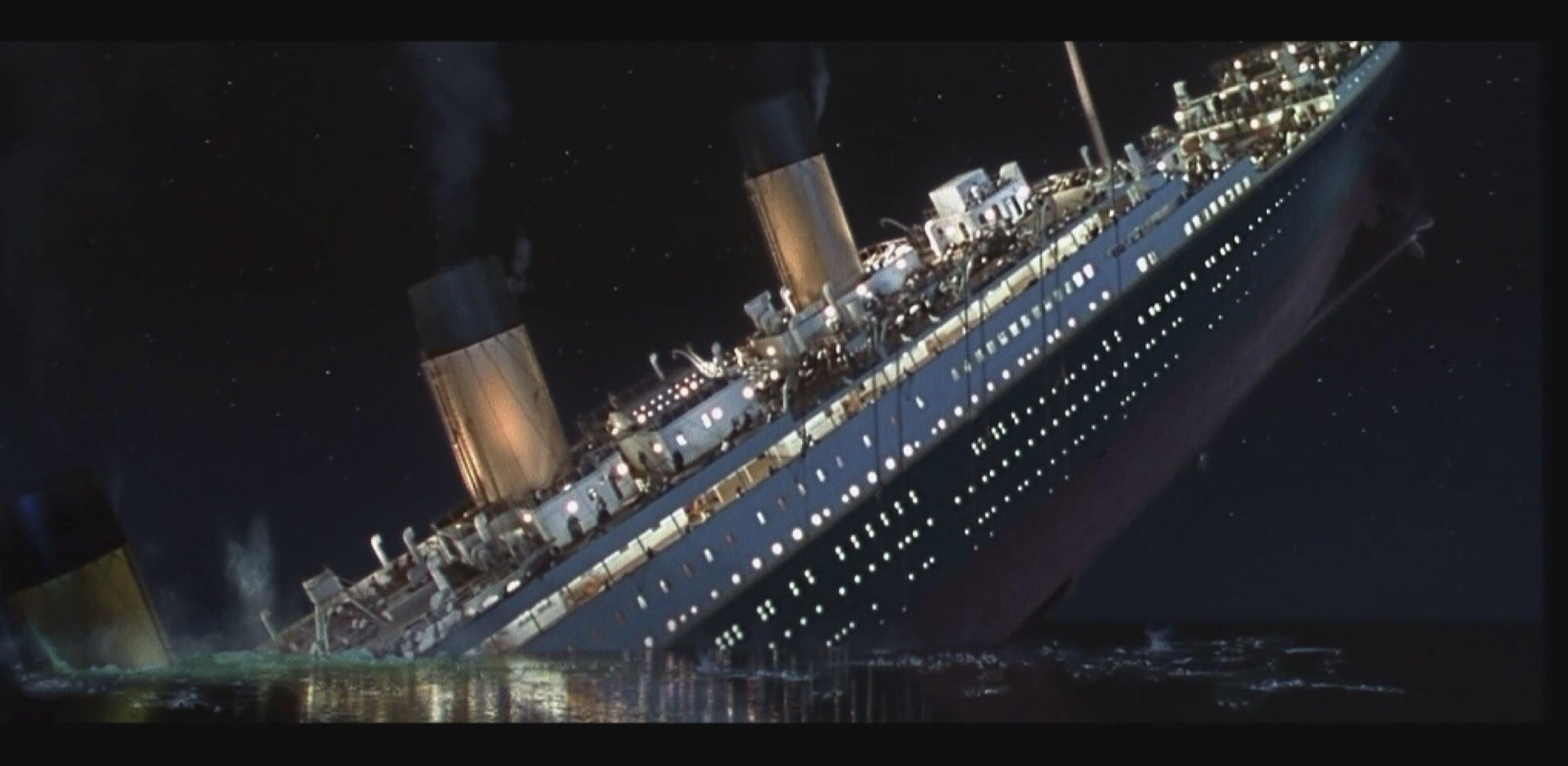
What the 1997 movie gets right, what it changes, and where dramatic storytelling departs from the historical record.
Go to Page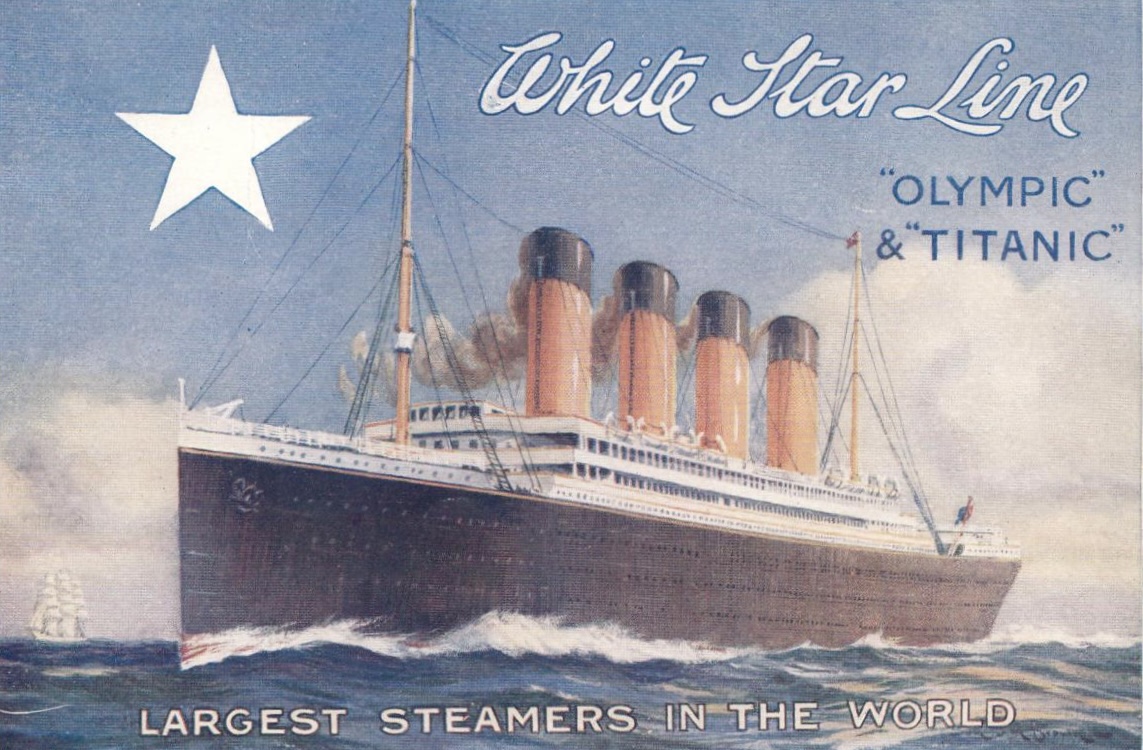
A guide to the interiors that shaped Titanic’s public identity: the spaces most often remembered, reproduced, and used to represent the ship’s luxury, mood, and social world.
Browse collection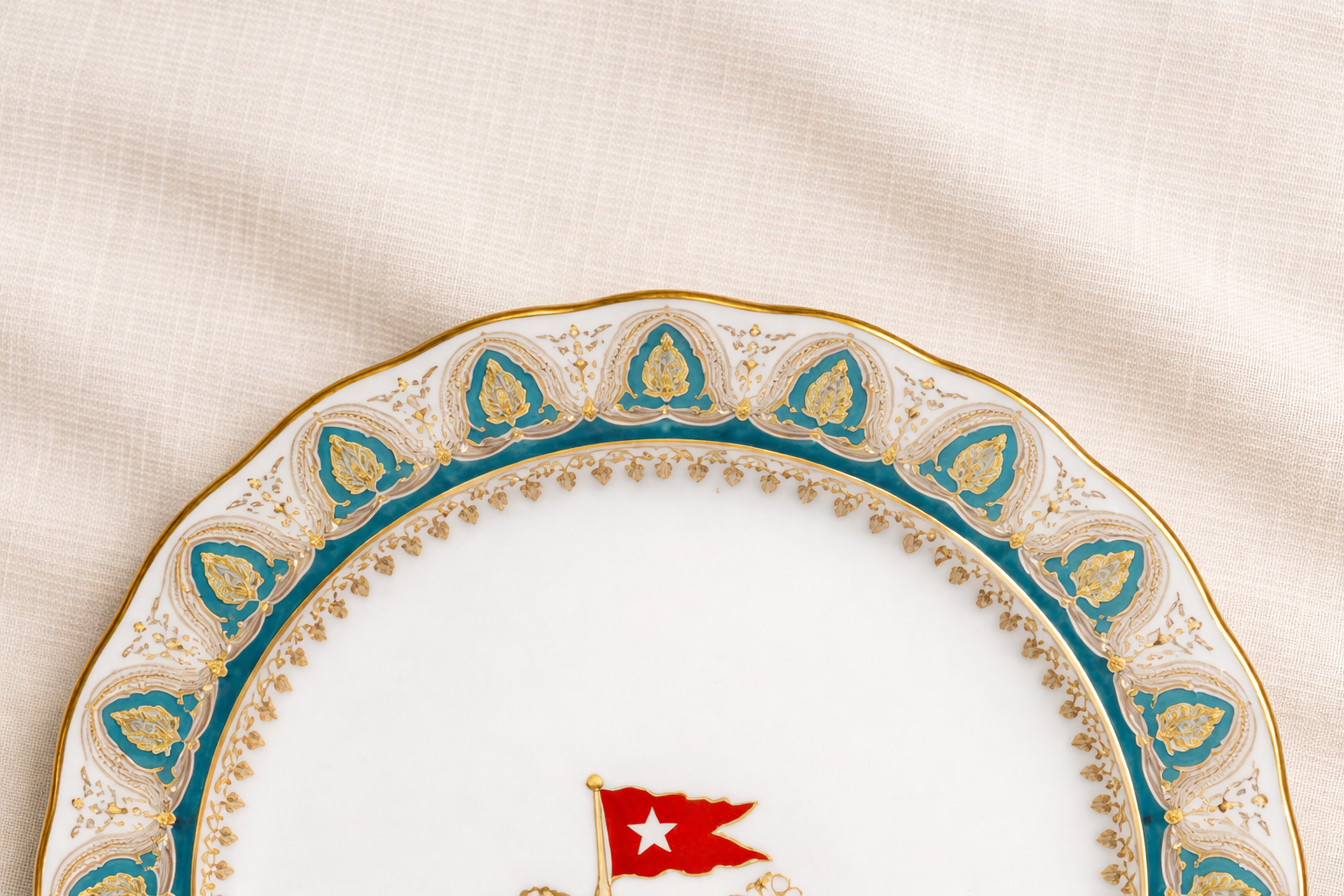
Explore surviving material tied to Titanic with an emphasis on evidence, provenance, attribution limits, and what the documentation actually supports.
Browse collection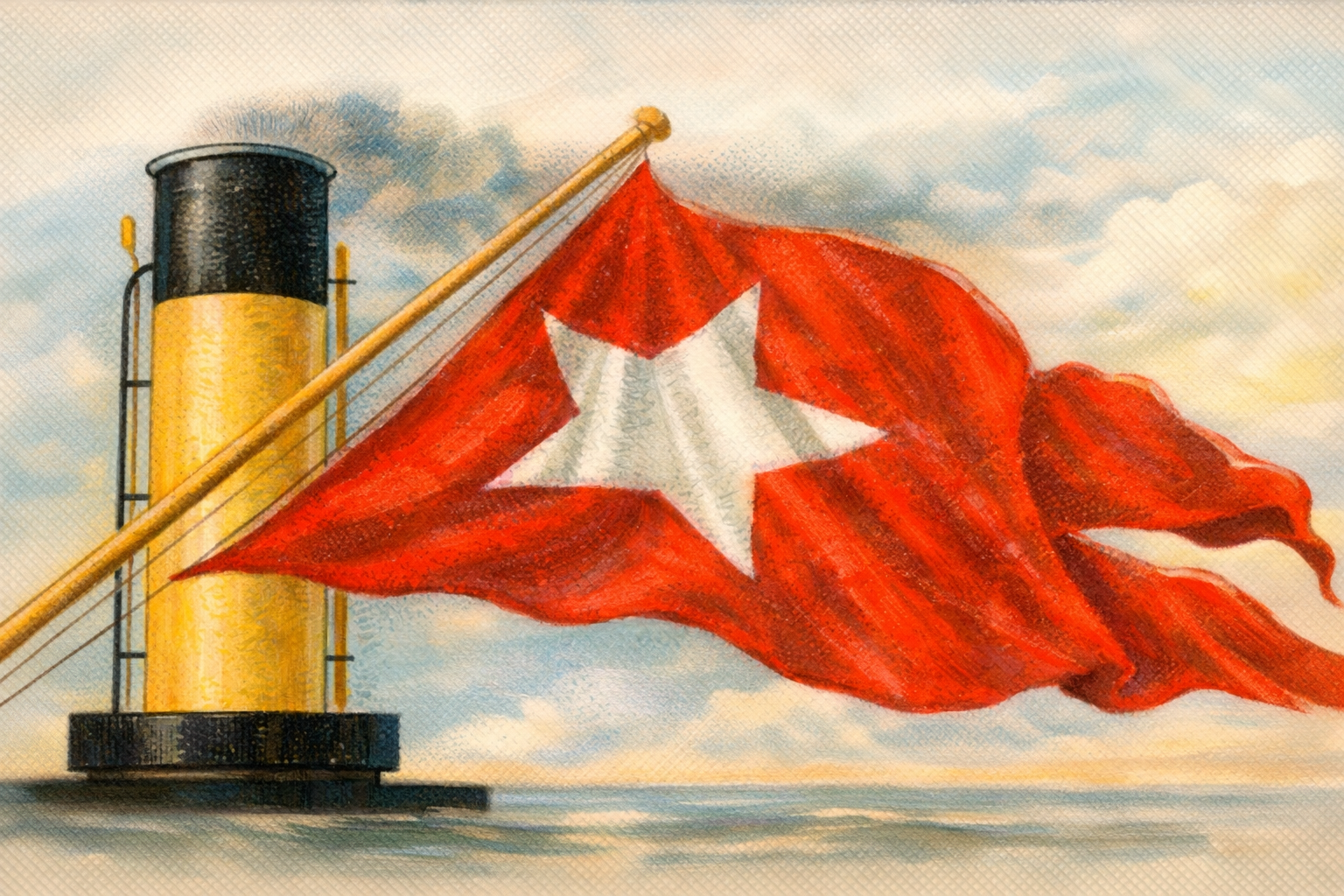
Read short answers on Titanic artifacts and why White Star Line should not be treated as interchangeable with Titanic itself.
Why Didn’t Titanic Slow Down?Could Titanic have survived the collision?Titanic artifactsWhite Star Line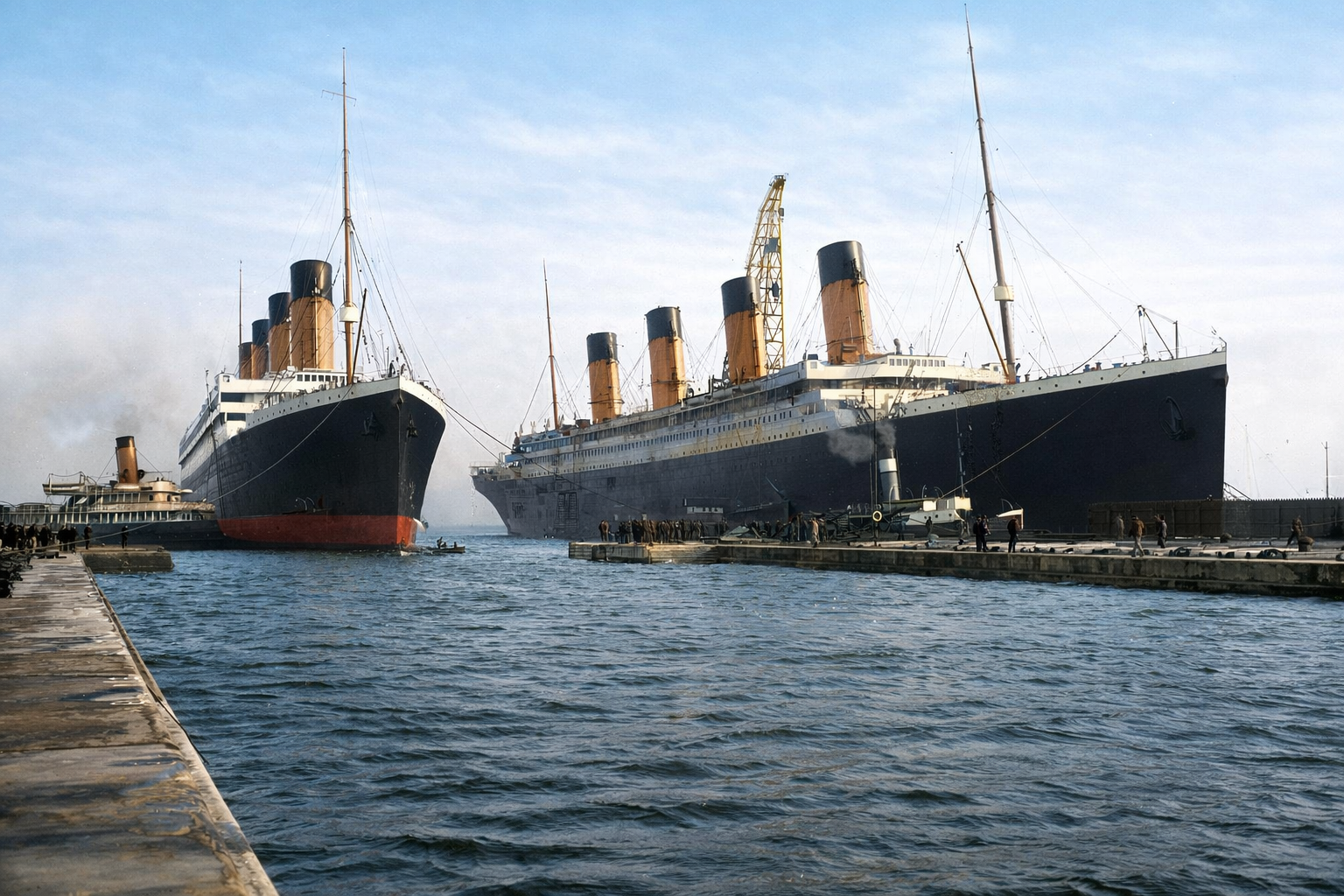
A curator-minded path through the adjustments made between Olympic and Titanic: not a story of wholly different ships, but of a first unit tested in service and a second unit refined through observation, commercial ambition, and selective revision.
Browse collection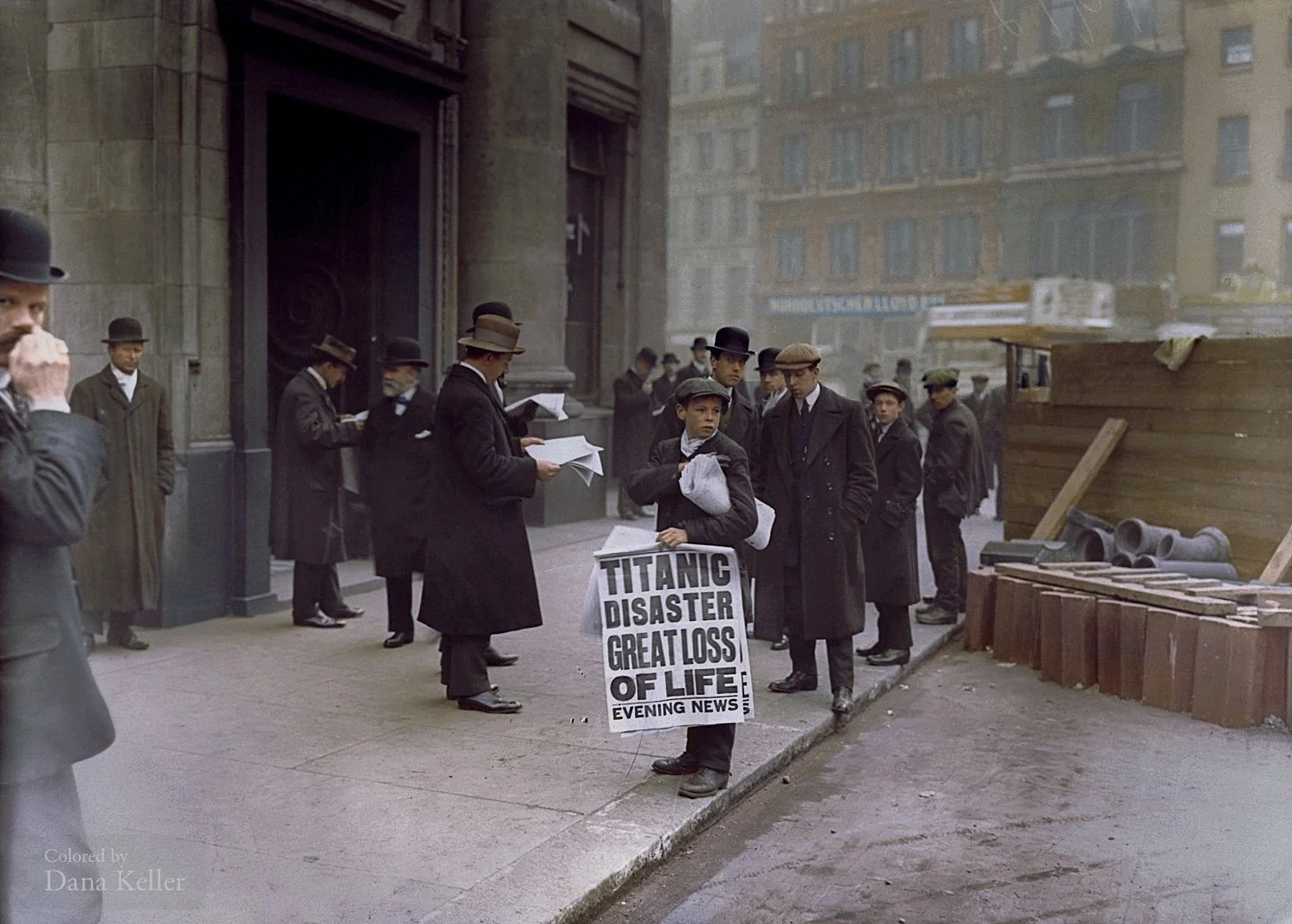
A guide to how the disaster was understood in real time: false reassurance, partial lists, delayed confirmation, and the long movement from rumor to grief.
Browse collection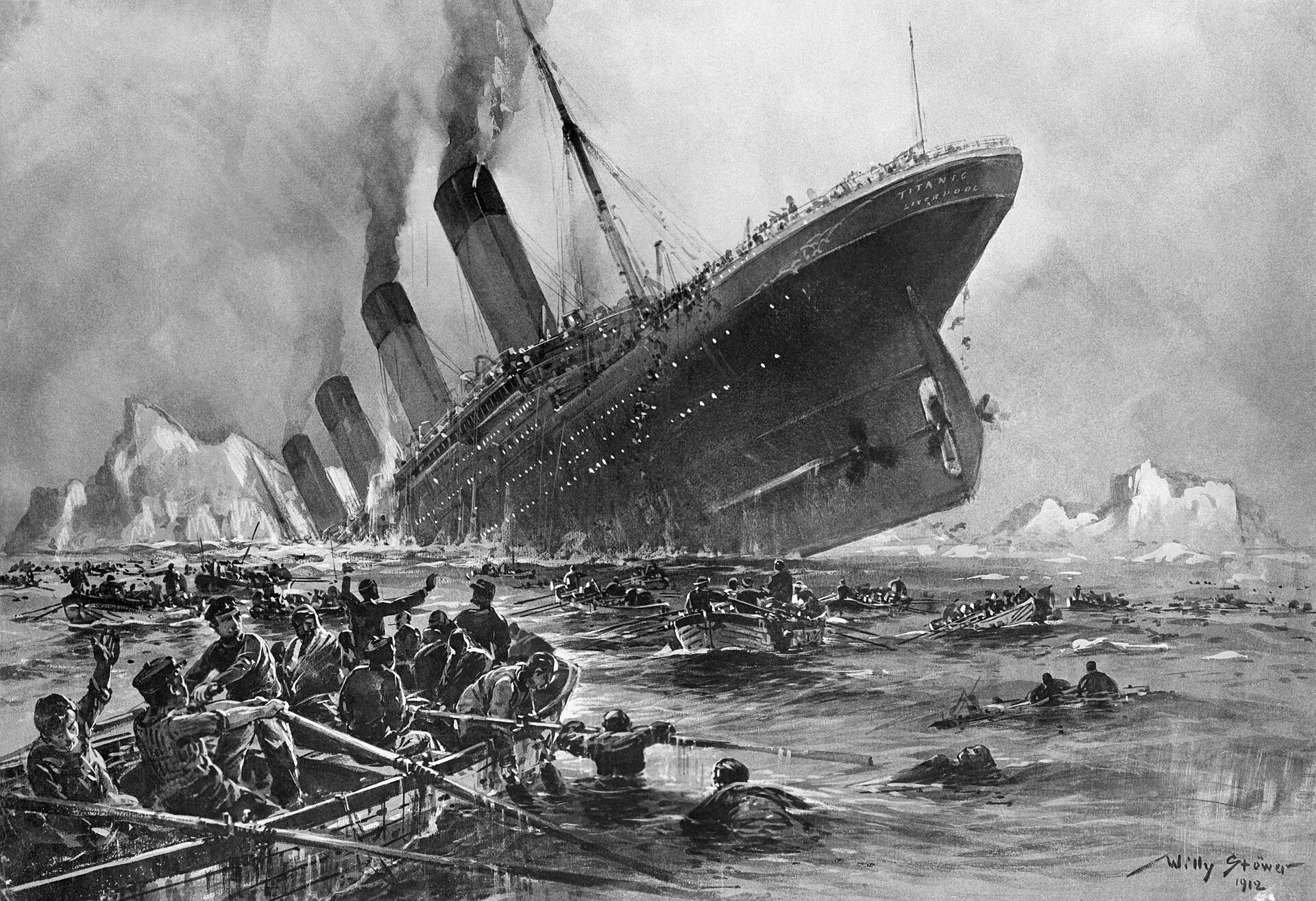
A guide to the stories that keep attaching themselves to Titanic: what the record supports, what is overstated, and why certain claims remain so durable.
Browse collection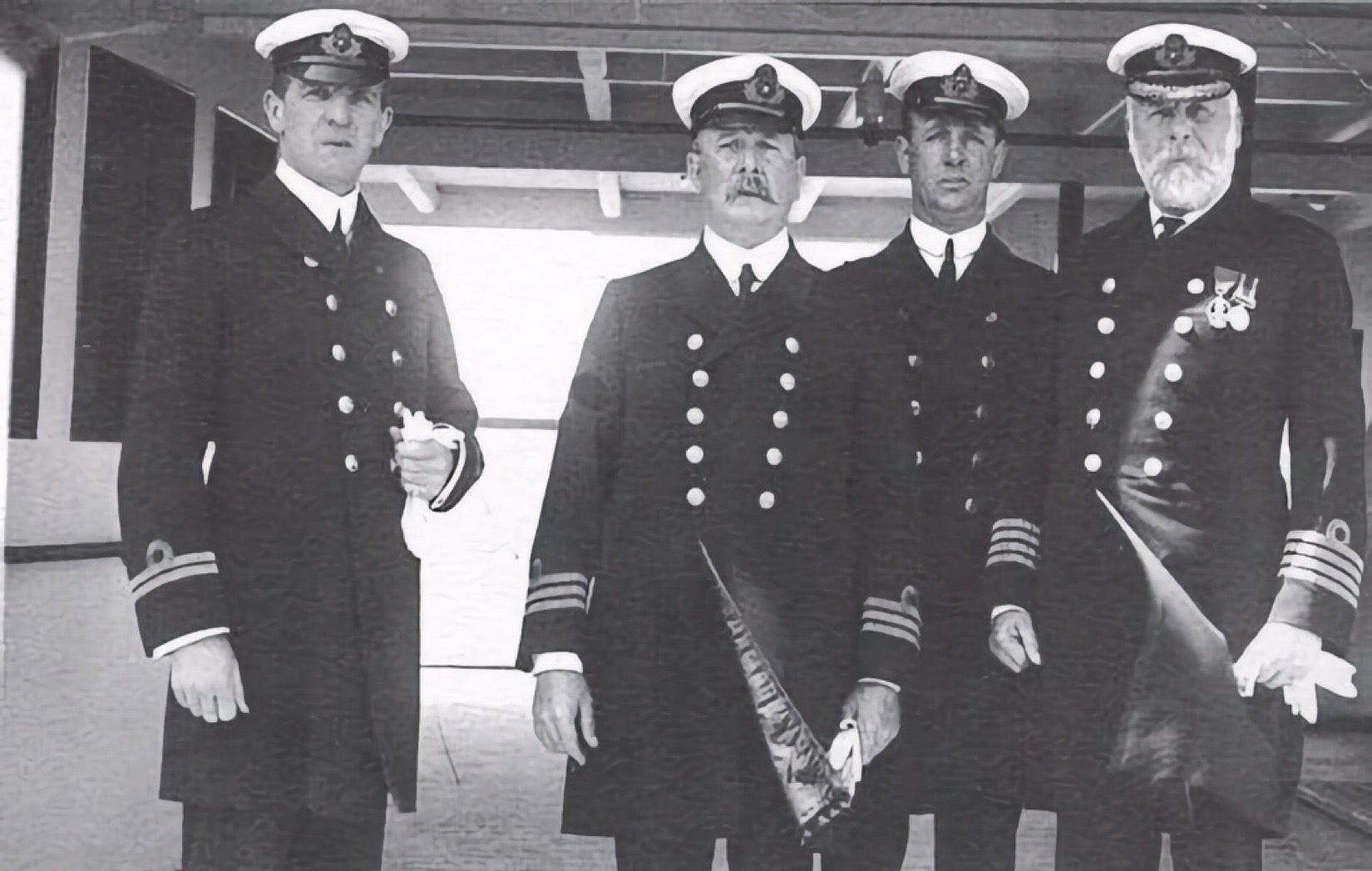
A practical guide to Titanic's deck officers: who they were, what they were responsible for, how their actions have been remembered, and where the historical record remains clear, complicated, or contested.
Browse collection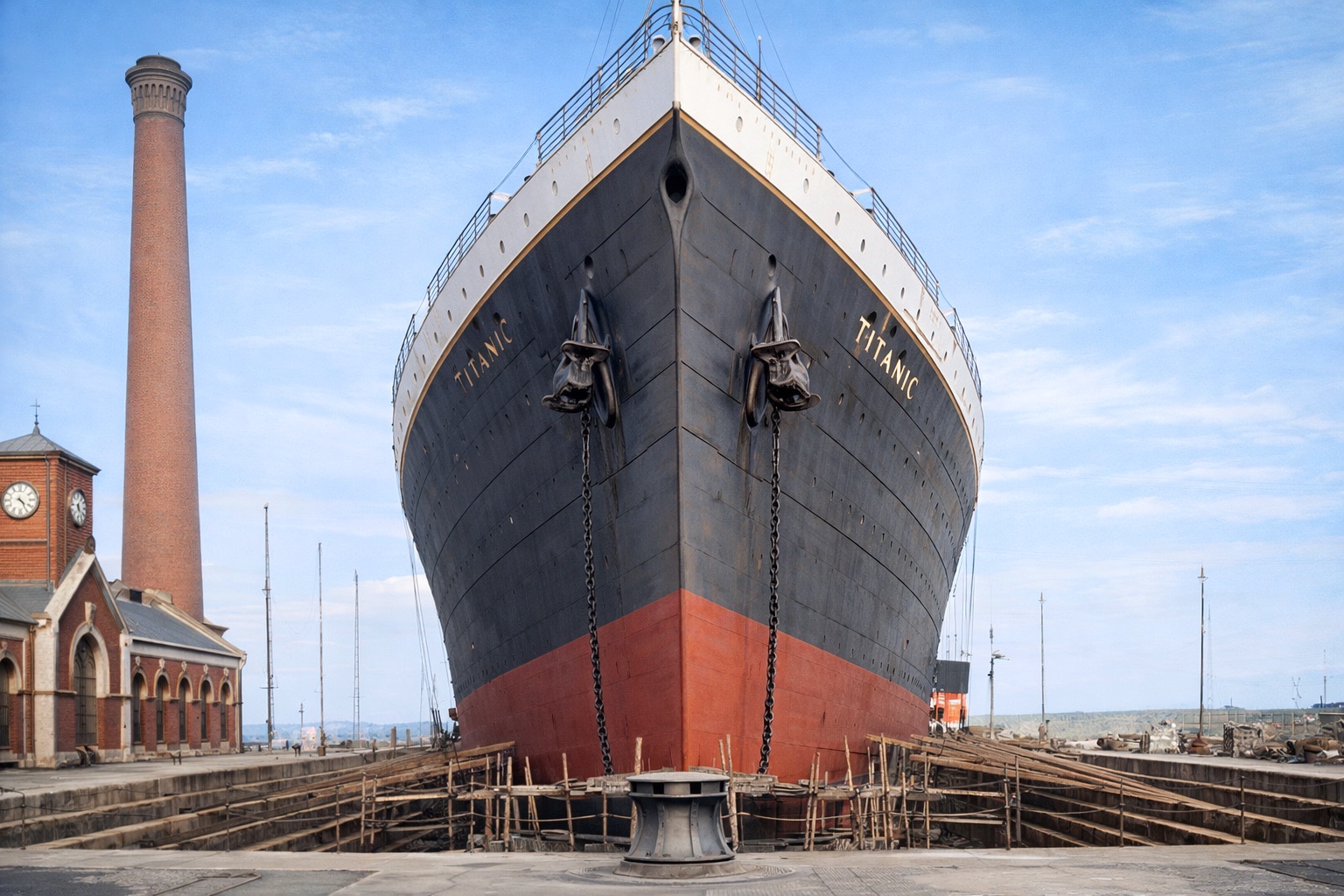
Why one of the most documented maritime disasters in history still requires caution, source discipline, and interpretive restraint.
Read essay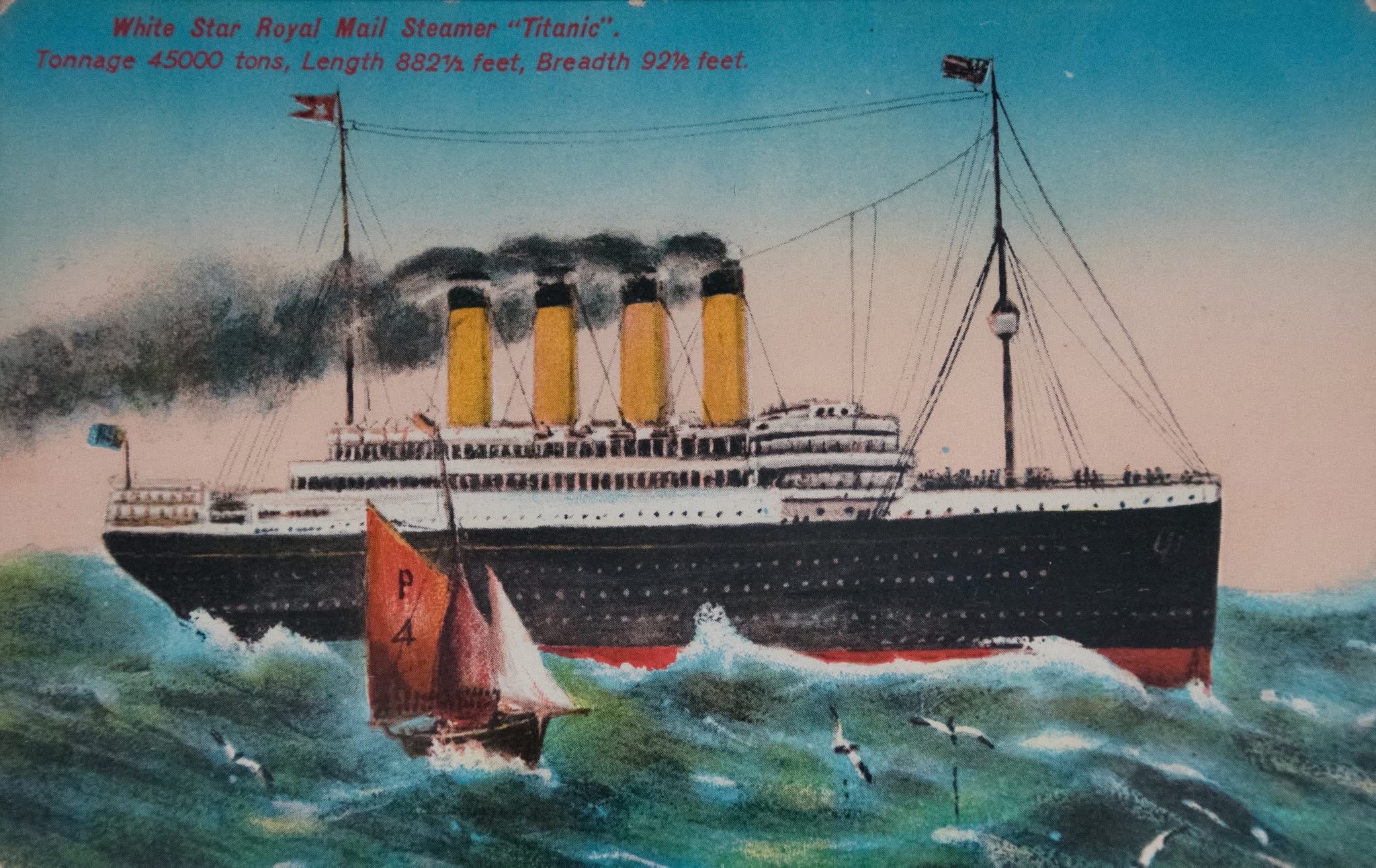
Titanic postcard material is more varied than many collectors first expect. Some cards are memorial pieces issued after the sinking. Others are promotional images tied to White Star presentation and passenger publicity. A smaller group survives mainly through archives, institutional collections, or collecting references rather than easy, publication-safe scans.
Browse postcardsTitanic is often encountered as a flattened public-memory subject. This page is meant to restore structure: event sequence, company context, and object-based interpretation in one place.
The disaster makes more sense when the order of events is clear. A structured timeline helps prevent Titanic from collapsing into a handful of repeated moments detached from sequence.
Titanic collecting and artifact discussion often drift toward assumption. The artifacts collection and short answers help keep claims proportional to the evidence.
Titanic belongs to a larger network of ships, companies, and historical questions. These adjacent pages help keep that wider frame intact.
The strongest use of this page is simple: begin with one Titanic path, then follow the surrounding context outward into ships, company history, and material culture.
Whether you came here for the disaster timeline, the artifact questions, or the White Star context, this page is meant to keep those subjects connected rather than fragmented.